Mount Shasta Area | Lassen Area | Trinity Alps | Shasta-Trinity NF | Klamath NF | Redwood Coast | Wine Country | Bay Area | Sierra Nevada | Hiking Advice
Climbing accidents on Mount Shasta are always unfortunate, but the mountain is dangerous, especially the upper reaches where climbers seek the summit. Climbers can fall and they can be hit by falling rocks.
Mount Shasta: Avalanche Gulch Route, Sargeant’s Ridge, Shastina
NOTE: This post originally appeared in June, 2010. If you’re looking for current information on Mount Shasta climbing accidents, Facebook and Google are your best bets.
The Top 100 Day Hikes and Backpacking Trips in Northern California
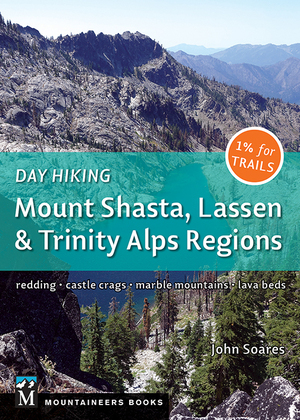
The all-color fourth edition features the best trails in:
Northern Sierra Nevada
Lassen and Mount Shasta areas
Trinity Alps and Marble Mountains
Redwood Coast
Wine Country and Bay Area
Includes trailhead directions and detailed maps and trail descriptions
Often available at Barnes & Noble, REI, and other quality bookstoresand outdoor stores (call first!)
How to Prevent Accidents When You Climb Mount Shasta
Make Sure You Have the Right Information
Your best bets for current climbing conditions on Mount Shasta is to check with Mount Shasta Ranger Station (204 West Alma in Mount Shasta, CA 96067). Phone them at 530-926-4511 for current conditions. Also check with the Mount Shasta Avalanche Center.
But if you are focused primarily on summitting the mountain, then I recommend you get Andy Selters’ and Michael Zanger’s book, which covers all the routes in detail.
Fifth Season in the town of Mount Shasta is also an excellent resource, and they sell a map that includes all the summit routes.
Make Sure You Are Prepared
See the above resources to make sure you have the right equipment and training. Also make sure you are in good physical condition.
Unless you are an experienced climber, you should strongly consider going with a professional guide service, like Mount Shasta Guides.
Peak Climbing Season on Mount Shasta
This varies from year to year, depending on snow pack. But June is almost always one of the best months, and one of the most popular.
Mount Shasta Climbers Injured in Accidents: Details
These are usually prime mountain climbing days on Mt. Shasta. The winter storms have deposited a thick layer of snow and the mountain dominates the horizon in its glistening white mantle. Climbers come from all over to tackle the 14,000-foot summit, and the climbing rangers of the Mt. Shasta Ranger District of the Shasta-Trinity National Forest stand by for the call. The call came several times the weekend of June 5-6.
On Saturday, June 5, while ascending Mt. Shasta in Avalanche Gulch at 12,000 feet, a climber slipped and slid a thousand feet or more. He was unable to arrest his descent with his ice ax, according to lead climbing ranger Eric White, and he ended up near Helen Lake. The climber’s crampons – metal attachments on footwear to aid in traction – likely caught in the ice and contributed to ankle injuries as he fell. His climbing partner called 911 and Siskiyou County asked the climbing rangers for assistance.
Low cloud cover prevented the California Highway Patrol helicopter from reaching the injured climber and White dispatched Dan Towner, Nick Meyers, Jonathon Dove and Forrest Coots via snowmobiles to provide aid.
“They used snowmobiles to get as high as possible,” White said. “Low visibility and soft snow stopped them, and then they proceeded by ski to Helen Lake where they stabilized the climber’s injuries.” The climbing rangers used a toboggan to shuttle the climber to their snowmobiles and then transported him to Bunny Flat where an ambulance waited.
Sunday, June 6, saw another incident in Avalanche Gulch where the climber suffered a back injury. The rangers were able to assist that climber without using machines to evacuate. Another back injury occurred on Sunday during a Marine training group session. The person was evacuated by California Highway Patrol helicopter. Three other climbers took long slides of up to a thousand feet, resulting in road rash and bruises, although they all walked out on their own.
“This time of year, conditions are usually good,” White said, but recent rains atop a snow pack up 40 percent from normal make the conditions less than ideal right now. “We are expecting a good climbing season once we settle into a more typical weather pattern.”
“Conditions and weather contributed to this weekend’s accidents,” White said, although the experience level of the climbers can certainly be a factor, especially in imperfect conditions.
“We try really hard to get information out to the public,” White said. He and his rangers have given talks on mountaineering and climbing at eight outdoor stores so far this season. They also keep the Mount Shasta Avalanche Center website up to date with the most current conditions.
There are also virtual climbs available at the Mt. Shasta Ranger Station, according to White. Visitors can view visual presentations of the various climbing options, affording them the chance to identify landmarks and get a feel for their route before they tackle the mountain.
“These presentations have helped us lower accident numbers over the years,” White said, simply because people are more prepared than they would have been without the presentations.
The climbing rangers on Mt. Shasta know the mountain intimately. They’ve been climbing it for years and are experts at navigating its courses. Still, the mountain is a challenge even for them, and they want to remind climbers to always check the forecast before they leave and to monitor the weather as they go.
“Feel free to come by the Mt. Shasta Ranger Station for more information,” White said. “A ranger or our very helpful front desk people would be happy to help.”
Mount Shasta from the Pacific Crest Trail near Seven Lakes Basin
Camp for Free in California National Forests
California’s national forests and BLM lands have thousands of miles of dirt roads with lots of spots for dispersed camping (boondocking). My book provides all the info you need to get started (but is not a guide to specific sites):
This mountain looks to be more difficult to climb than Mt. Whitney. The last time I drove to Mt. Shasta from Southern California, I could see it from 100 miles away.
Wow Climbers get injured on Shasta at least once a year. I will never forget that tragic Black Hawk helicopter rescue that happened a few years ago:( It is a beautiful mountain as is most of the pacific nothwest!
[…] week I had a post about the previous weekend’s climbing accidents on Mount Shasta. Well, this past weekend brought even more accidents and injuries that Mount Shasta Ranger Station […]
Like just about every other website on the planet, NCHT uses cookies. Continuing to use the site means you're OK with that.Cookie settingsACCEPT
Privacy & Cookies Policy
Privacy Overview
This website uses cookies to improve your experience while you navigate through the website. Out of these cookies, the cookies that are categorized as necessary are stored on your browser as they are essential for the working of basic functionalities of the website. We also use third-party cookies that help us analyze and understand how you use this website. These cookies will be stored in your browser only with your consent. You also have the option to opt-out of these cookies. But opting out of some of these cookies may have an effect on your browsing experience.
Necessary cookies are absolutely essential for the website to function properly. This category only includes cookies that ensures basic functionalities and security features of the website. These cookies do not store any personal information.
Any cookies that may not be particularly necessary for the website to function and is used specifically to collect user personal data via analytics, ads, other embedded contents are termed as non-necessary cookies. It is mandatory to procure user consent prior to running these cookies on your website.


 The all-color fourth edition features the best trails in: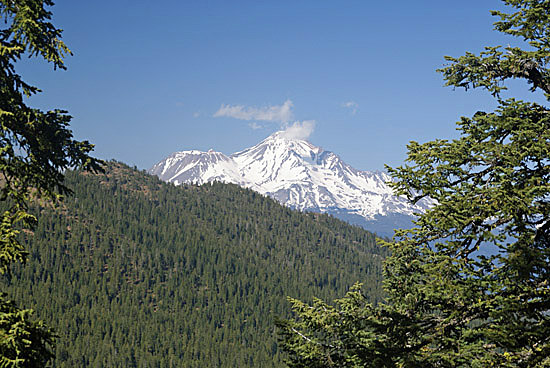
 California’s national forests and BLM lands have thousands of miles of dirt roads with lots of spots for dispersed camping (boondocking). My book provides all the info you need to get started (but is not a guide to specific sites):


%22%20transform%3D%22translate(.6%20.6)%20scale(1.17188)%22%20fill-opacity%3D%22.5%22%3E%3Cellipse%20fill%3D%22%23e2d5bf%22%20rx%3D%221%22%20ry%3D%221%22%20transform%3D%22rotate(-155%20112%2050)%20scale(117.46636%2046.71765)%22%2F%3E%3Cellipse%20fill%3D%22%23004cc3%22%20rx%3D%221%22%20ry%3D%221%22%20transform%3D%22matrix(252.06102%20-13.65114%201.97334%2036.43674%20139.2%209.9)%22%2F%3E%3Cellipse%20fill%3D%22%23261d19%22%20rx%3D%221%22%20ry%3D%221%22%20transform%3D%22matrix(-42.68706%2017.85638%20-11.82445%20-28.26725%20231.4%2055.8)%22%2F%3E%3Cellipse%20fill%3D%22%233674e2%22%20cx%3D%229%22%20cy%3D%2212%22%20rx%3D%2265%22%20ry%3D%2265%22%2F%3E%3C%2Fg%3E%3C%2Fsvg%3E "2024 Free Entrance Days at Northern California National Parks and Monuments")

%22%20transform%3D%22translate(.6%20.6)%20scale(1.17188)%22%20fill-opacity%3D%22.5%22%3E%3Cellipse%20fill%3D%22%23316256%22%20cx%3D%22235%22%20cy%3D%2248%22%20rx%3D%2256%22%20ry%3D%2268%22%2F%3E%3Cellipse%20fill%3D%22%23e1dee4%22%20rx%3D%221%22%20ry%3D%221%22%20transform%3D%22matrix(134.62378%2069.95549%20-12.91898%2024.86156%20200.9%20146)%22%2F%3E%3Cellipse%20fill%3D%22%23805d23%22%20rx%3D%221%22%20ry%3D%221%22%20transform%3D%22rotate(-6.1%201021.4%20-51.4)%20scale(31.10221%2093.66742)%22%2F%3E%3Cellipse%20fill%3D%22%23dedbe1%22%20cx%3D%22104%22%20cy%3D%225%22%20rx%3D%2272%22%20ry%3D%2223%22%2F%3E%3C%2Fg%3E%3C%2Fsvg%3E "Give the Gift of Hiking and Camping Books This Year!")



This mountain looks to be more difficult to climb than Mt. Whitney. The last time I drove to Mt. Shasta from Southern California, I could see it from 100 miles away.
Ken, I haven’t climbed Whitney, but I have friend who have.
I think Mount Shasta is the more difficult and dangerous ascent.
Wow Climbers get injured on Shasta at least once a year. I will never forget that tragic Black Hawk helicopter rescue that happened a few years ago:( It is a beautiful mountain as is most of the pacific nothwest!
That Blackhawk crashed on Mt. Hood.