Mount Shasta Area | Lassen Area | Trinity Alps | Shasta-Trinity NF | Klamath NF | Redwood Coast | Wine Country | Bay Area | Sierra Nevada | Hiking Advice
Global warming is causing most glaciers worldwide to melt; however Mount Shasta’s glaciers are an exception. Shasta’s glaciers have about doubled in size since the 1950s. Scientists think this is due to the warmer Pacific ocean releasing more water vapor, which then moves inland to drop more snow on Mount Shasta. This increase in snow is large enough to offset increased rates of snowmelt from warmer air temperatures.
Most climatologists agree that global warming is happening. One question for outdoors people: “How do we adjust our outdoors activities around the changing climate?” What about you? How is the changing climate affecting your recreation outdoors? How do you plan to cope with it?
We had a very dry spring in far Northern California, and this meant the main hiking route to the summit of Mount Shasta up Avalanche Gulch via Lake Helen lost most of its snow by late June, making climbing far more difficult.
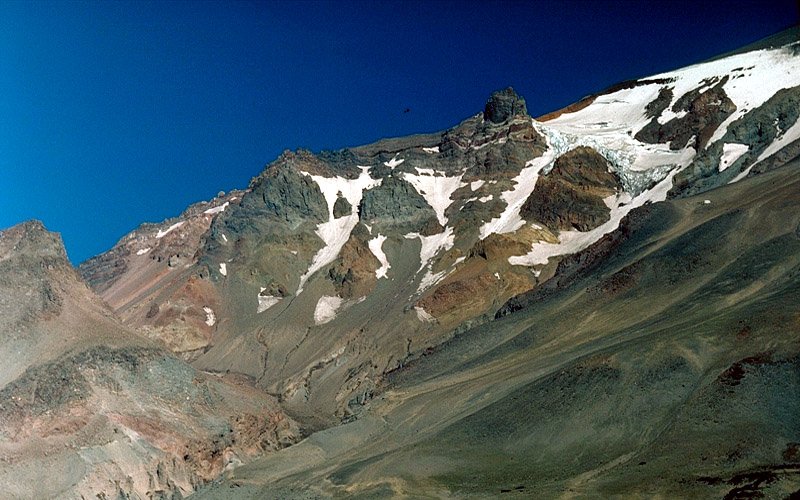
Below is a USGS photo of Konwakiton Glacier on Mount Shasta.
Stark and Wild. Now I know why Mt. Shasta is all year white when driving up I-5, but not when finally getting to it. I-5 is approaching from the south east and the Konwakiton Glacier is on the east-facing side of a ridge on the south side of the mt. Ronald Thompson Crescent City
The glaciers are all the white we have left now on the mountain, except for a few small patches, including one on the north slope of Shastina. This has been an exceptional year for how quickly the historically low snowpack melted.
A friend of mine just recently summited from Clear Creek on the east side.
[…] climate change is affecting critters in the high Sierra Nevada and how it is actually leading to larger glaciers on Mount Shasta. Heck, warming temperatures could contribute to increased rock slides, rock falls, and avalanches […]
Like just about every other website on the planet, NCHT uses cookies. Continuing to use the site means you're OK with that.Cookie settingsACCEPT
Privacy & Cookies Policy
Privacy Overview
This website uses cookies to improve your experience while you navigate through the website. Out of these cookies, the cookies that are categorized as necessary are stored on your browser as they are essential for the working of basic functionalities of the website. We also use third-party cookies that help us analyze and understand how you use this website. These cookies will be stored in your browser only with your consent. You also have the option to opt-out of these cookies. But opting out of some of these cookies may have an effect on your browsing experience.
Necessary cookies are absolutely essential for the website to function properly. This category only includes cookies that ensures basic functionalities and security features of the website. These cookies do not store any personal information.
Any cookies that may not be particularly necessary for the website to function and is used specifically to collect user personal data via analytics, ads, other embedded contents are termed as non-necessary cookies. It is mandatory to procure user consent prior to running these cookies on your website.



%22%20transform%3D%22translate(.6%20.6)%20scale(1.17188)%22%20fill-opacity%3D%22.5%22%3E%3Cellipse%20fill%3D%22%23e2d5bf%22%20rx%3D%221%22%20ry%3D%221%22%20transform%3D%22rotate(-155%20112%2050)%20scale(117.46636%2046.71765)%22%2F%3E%3Cellipse%20fill%3D%22%23004cc3%22%20rx%3D%221%22%20ry%3D%221%22%20transform%3D%22matrix(252.06102%20-13.65114%201.97334%2036.43674%20139.2%209.9)%22%2F%3E%3Cellipse%20fill%3D%22%23261d19%22%20rx%3D%221%22%20ry%3D%221%22%20transform%3D%22matrix(-42.68706%2017.85638%20-11.82445%20-28.26725%20231.4%2055.8)%22%2F%3E%3Cellipse%20fill%3D%22%233674e2%22%20cx%3D%229%22%20cy%3D%2212%22%20rx%3D%2265%22%20ry%3D%2265%22%2F%3E%3C%2Fg%3E%3C%2Fsvg%3E "2024 Free Entrance Days at Northern California National Parks and Monuments")


%22%20transform%3D%22translate(.6%20.6)%20scale(1.17188)%22%20fill-opacity%3D%22.5%22%3E%3Cellipse%20fill%3D%22%23316256%22%20cx%3D%22235%22%20cy%3D%2248%22%20rx%3D%2256%22%20ry%3D%2268%22%2F%3E%3Cellipse%20fill%3D%22%23e1dee4%22%20rx%3D%221%22%20ry%3D%221%22%20transform%3D%22matrix(134.62378%2069.95549%20-12.91898%2024.86156%20200.9%20146)%22%2F%3E%3Cellipse%20fill%3D%22%23805d23%22%20rx%3D%221%22%20ry%3D%221%22%20transform%3D%22rotate(-6.1%201021.4%20-51.4)%20scale(31.10221%2093.66742)%22%2F%3E%3Cellipse%20fill%3D%22%23dedbe1%22%20cx%3D%22104%22%20cy%3D%225%22%20rx%3D%2272%22%20ry%3D%2223%22%2F%3E%3C%2Fg%3E%3C%2Fsvg%3E "Give the Gift of Hiking and Camping Books This Year!")
%27%20fill-opacity%3D%27.5%27%3E%3Cellipse%20fill%3D%22%23f9f4ff%22%20fill-opacity%3D%22.5%22%20rx%3D%221%22%20ry%3D%221%22%20transform%3D%22matrix(91.31382%2066.02258%20-35.05562%2048.48435%2046.5%20157.6)%22%2F%3E%3Cpath%20fill%3D%22%23b8c768%22%20fill-opacity%3D%22.5%22%20d%3D%22M238.3%20231.9L140-24.1l129.1-49.6%2098.3%20256z%22%2F%3E%3Cellipse%20fill%3D%22%23b4aece%22%20fill-opacity%3D%22.5%22%20rx%3D%221%22%20ry%3D%221%22%20transform%3D%22rotate(-113.2%20136.3%2016.5)%20scale(262.7941%2029.81633)%22%2F%3E%3Cellipse%20fill%3D%22%23d3e187%22%20fill-opacity%3D%22.5%22%20rx%3D%221%22%20ry%3D%221%22%20transform%3D%22rotate(49%20-28.4%2084)%20scale(111.55642%2038.65434)%22%2F%3E%3C%2Fg%3E%3C%2Fsvg%3E "Burney Falls January 2025 Hiking Trails Closure Details")




Stark and Wild. Now I know why Mt. Shasta is all year white when driving up I-5, but not when finally getting to it. I-5 is approaching from the south east and the Konwakiton Glacier is on the east-facing side of a ridge on the south side of the mt. Ronald Thompson Crescent City
Hello Ronald,
The glaciers are all the white we have left now on the mountain, except for a few small patches, including one on the north slope of Shastina. This has been an exceptional year for how quickly the historically low snowpack melted.
A friend of mine just recently summited from Clear Creek on the east side.
John Soares